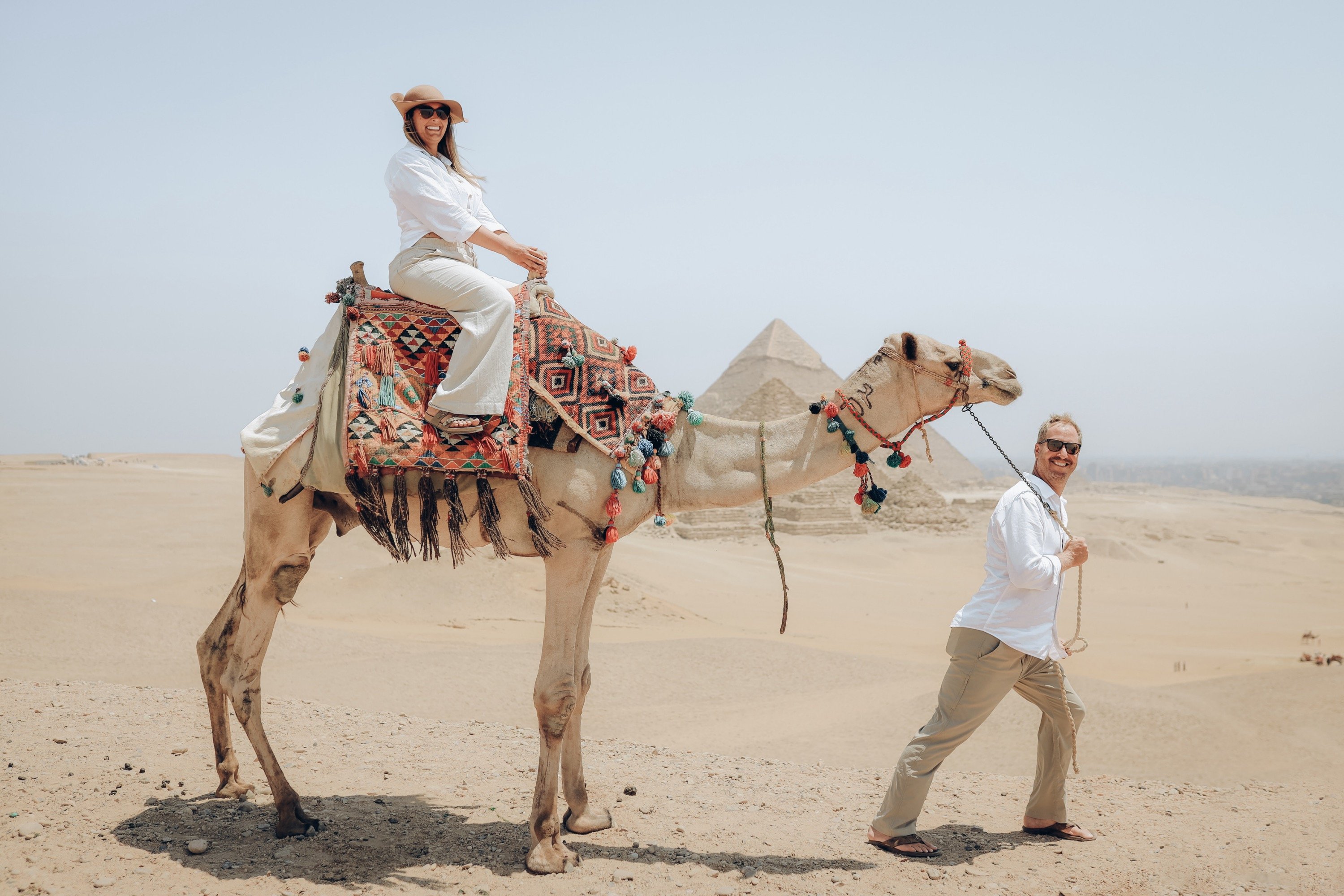
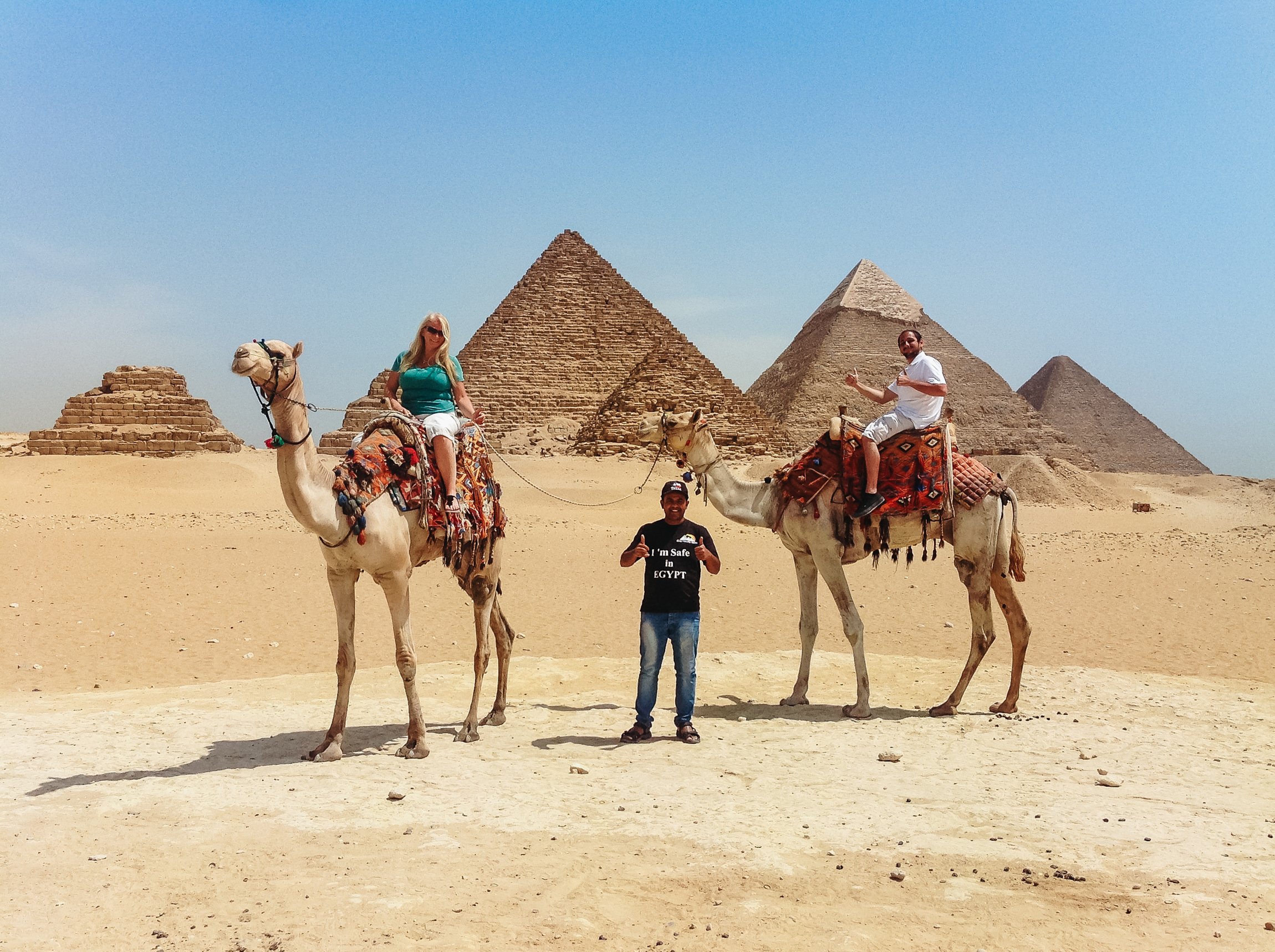
Saqqara & Giza Pyramids Tour with Camel Ride
Giza Pyramids & Saqqara tour with 30-minute camel ride and panoramic views
Show inclusions & important info
Includes
- Priority access
- Skip the queue
- Mobile voucher
- Free cancellation
Stone steps rise where time began, kings sleep below.
Hand-picked by our editors — only the best 5 experiences from 312 reviewed.
Verified partners for Saqqara tours, free cancellation where available, and instant confirmation on every booking.
Giza Pyramids & Saqqara tour with 30-minute camel ride and panoramic views
Private tour to Giza Pyramids, Sphinx, Saqqara & Memphis with expert guide
Discover Memphis, Saqqara's Step Pyramid & Dahshur's Bent and Red Pyramids
Private tour to Saqqara's 16 pyramids, Memphis & Dahshur with air-conditioned transport
8 hr 30 min
Private 8.5-hour licensed guide tour of Cairo's top pyramids & ancient sites
Prices from verified partners. Availability updates in real time at checkout. Free cancellation policies apply where shown.
Dedicated-guide tours led by Egyptologists, typically $120 to $280 per person.
Organized day trips from Cairo with transport and entry included.
Multi-site tours pairing Saqqara with Giza, priced around $80 to $180.
Full-day packages visiting Memphis, Dahshur, and Saqqara, about $100 to $200.
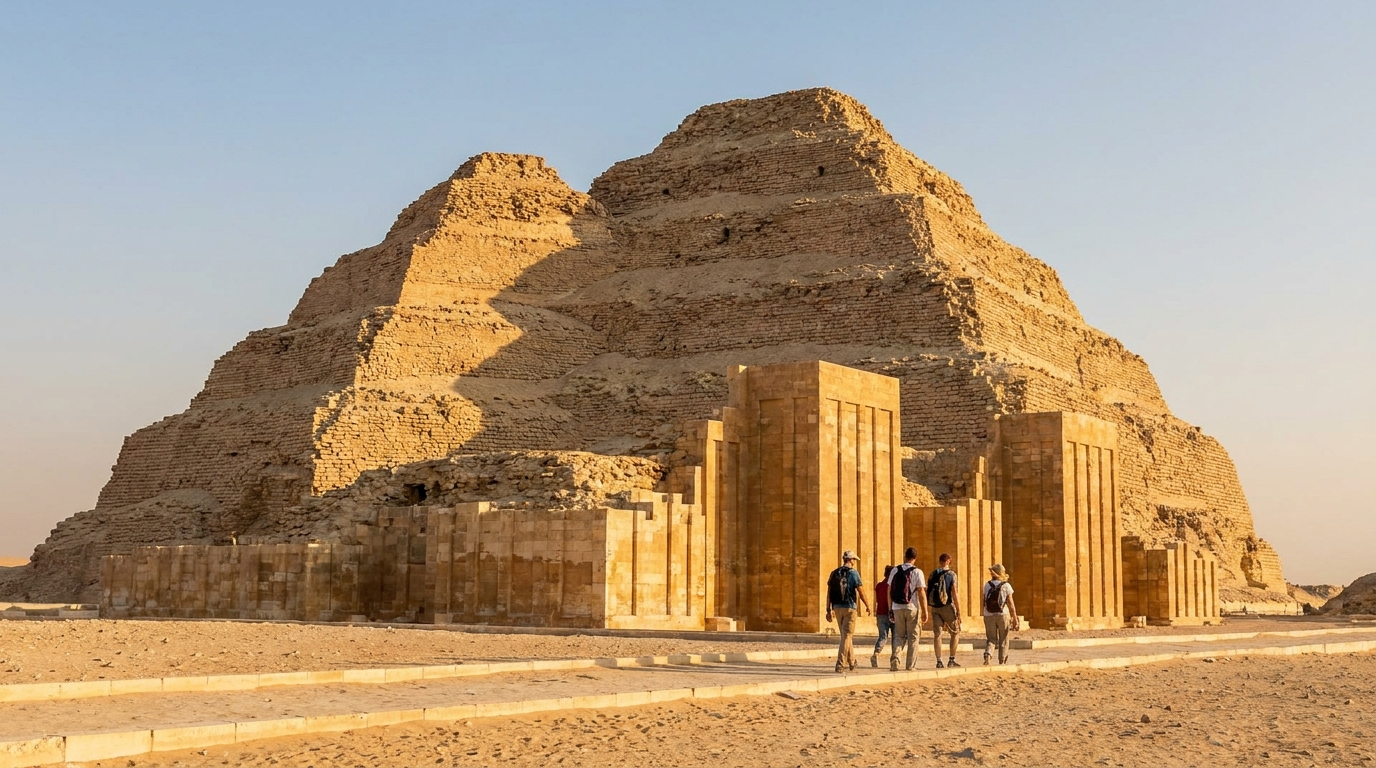
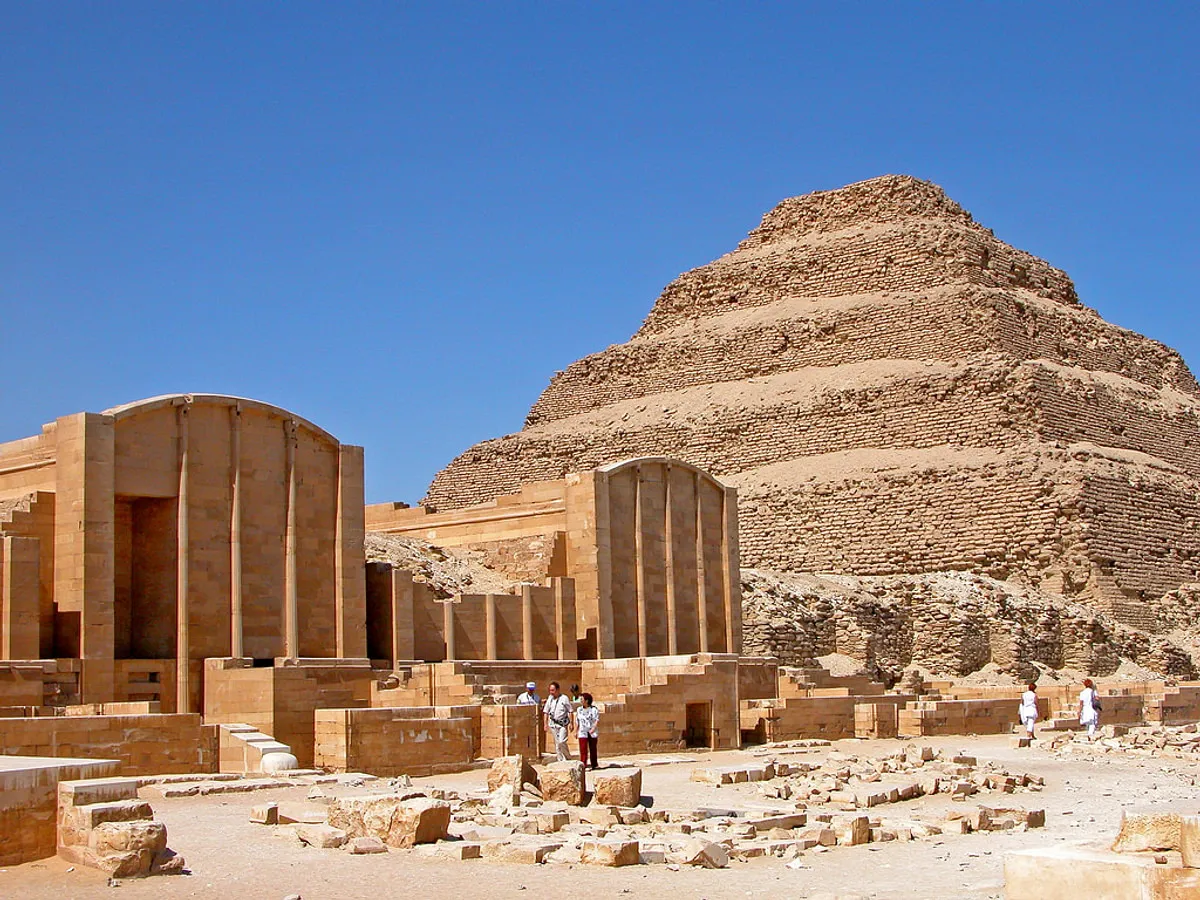
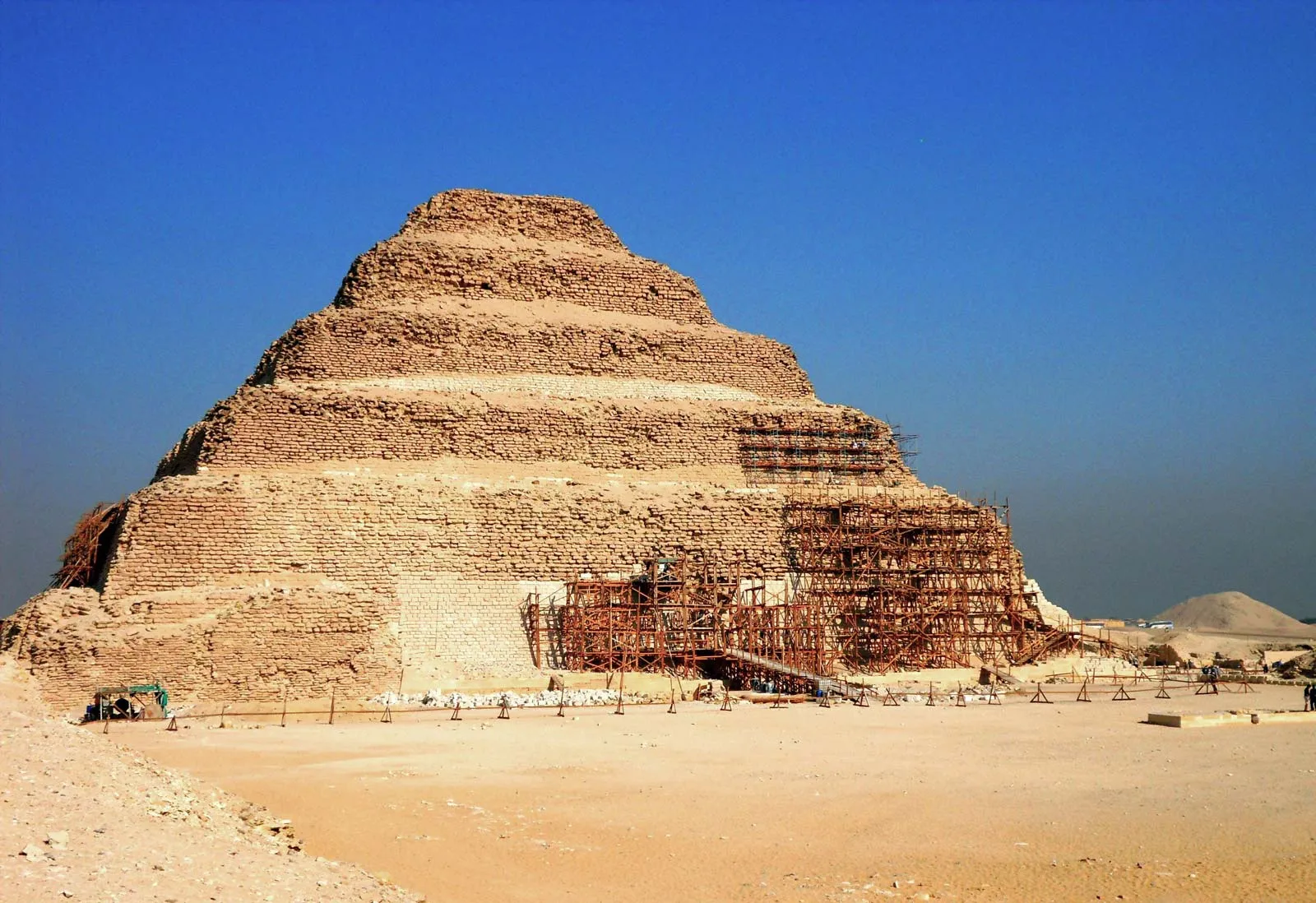
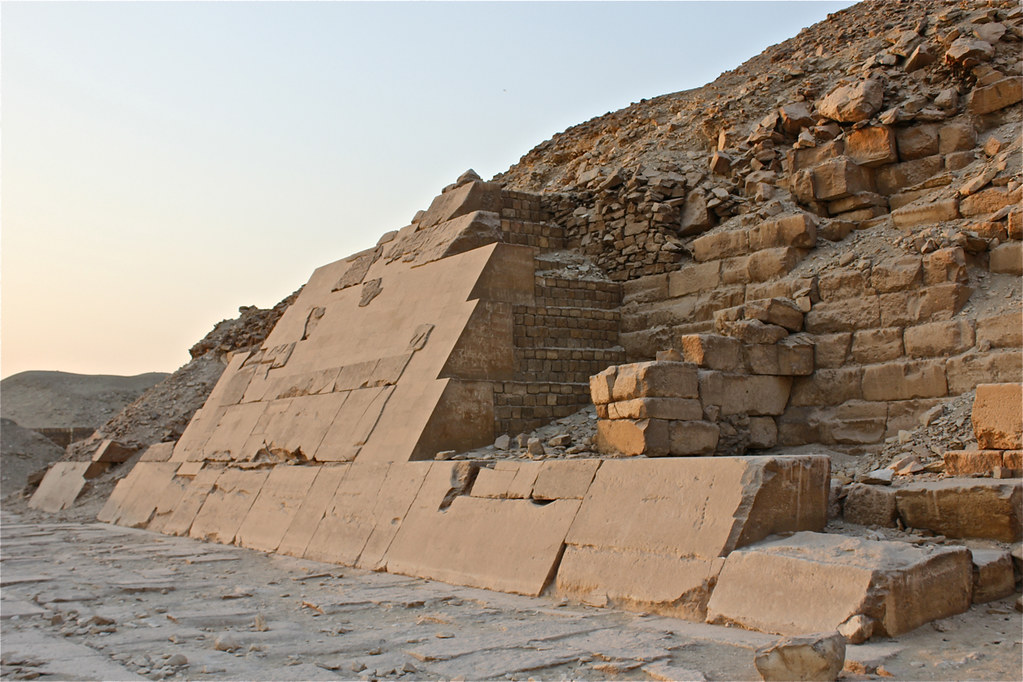
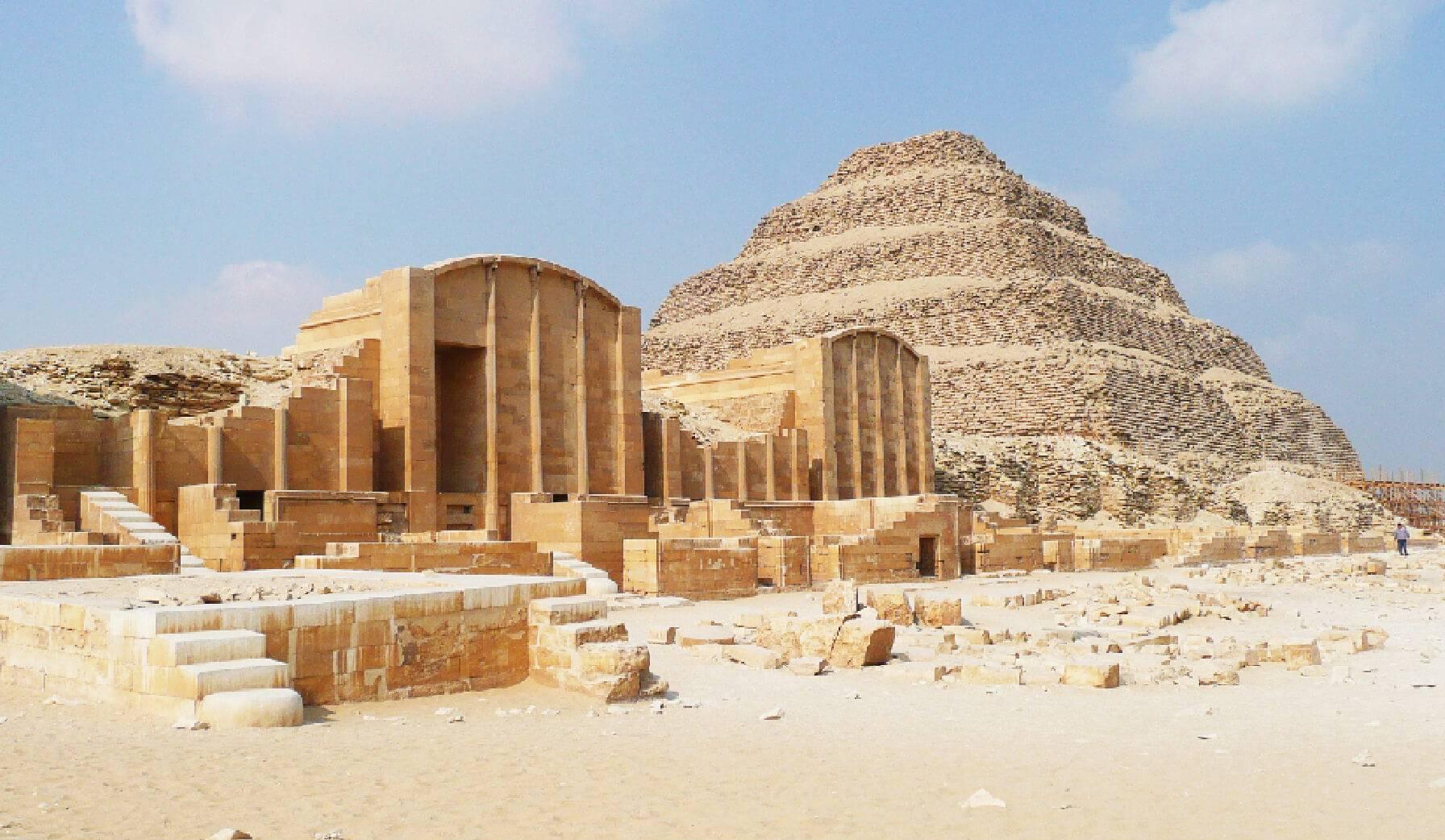
Imhotep stacked six diminishing stone mastabas around 2670 BCE and, without intending to, invented the pyramid. The Step Pyramid of Djoser still stands at saqqara, the oldest large-scale cut-stone structure on earth, predating Giza by a full century.
The necropolis served Memphis for more than three thousand years, its sands hiding the Serapeum's granite bull sarcophagi, the Pyramid Texts carved inside Unas, and tombs whose painted reliefs still hold their pigment. A saqqara private guided tour reveals why this remains active ground: the Bubasteion cat cemetery and sealed sarcophagi keep emerging. Whether through a saqqara private egyptologist tour, a quiet saqqara private day trip, or simply a slow walk among the ruins, this Saqqara landscape rewards the patient. Few sites compress so much beginning into so little space.
"Imhotep stacked six diminishing stone mastabas and, without intending to, invented the pyramid."
A step-by-step walkthrough of Saqqara tickets — what you'll see, how long each stage takes, and the details that matter.
You arrive between 08:00 and 10:00, when the air is cool and the tour coaches have not yet crested the ridge. Your 600 EGP ticket clears the main area, and you walk first toward Djoser's terraced silhouette, counting its six receding tiers against the desert.
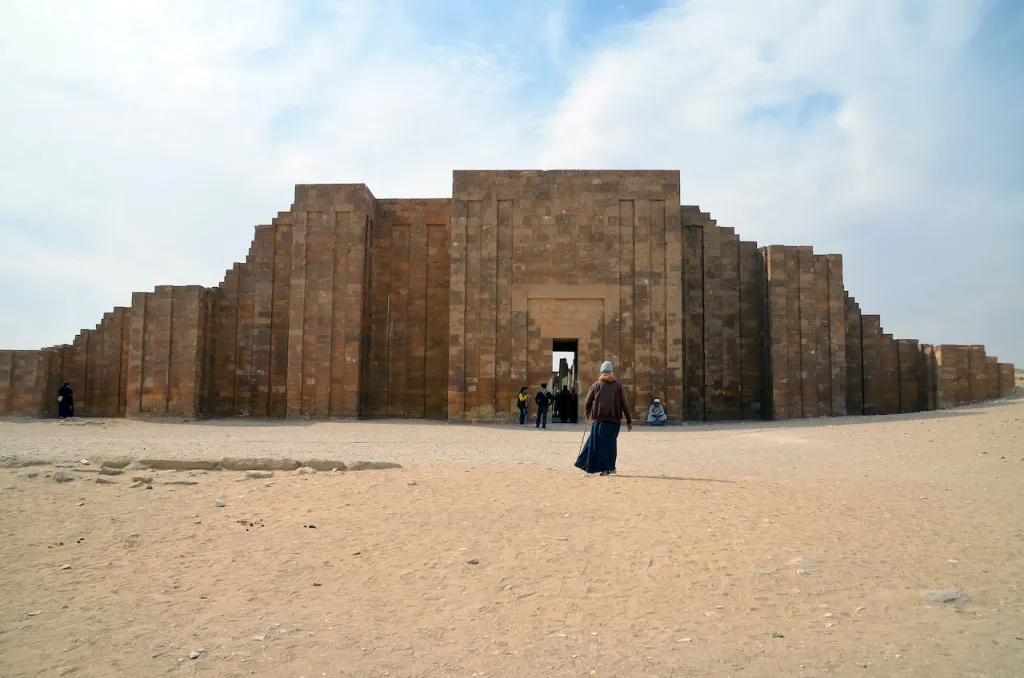
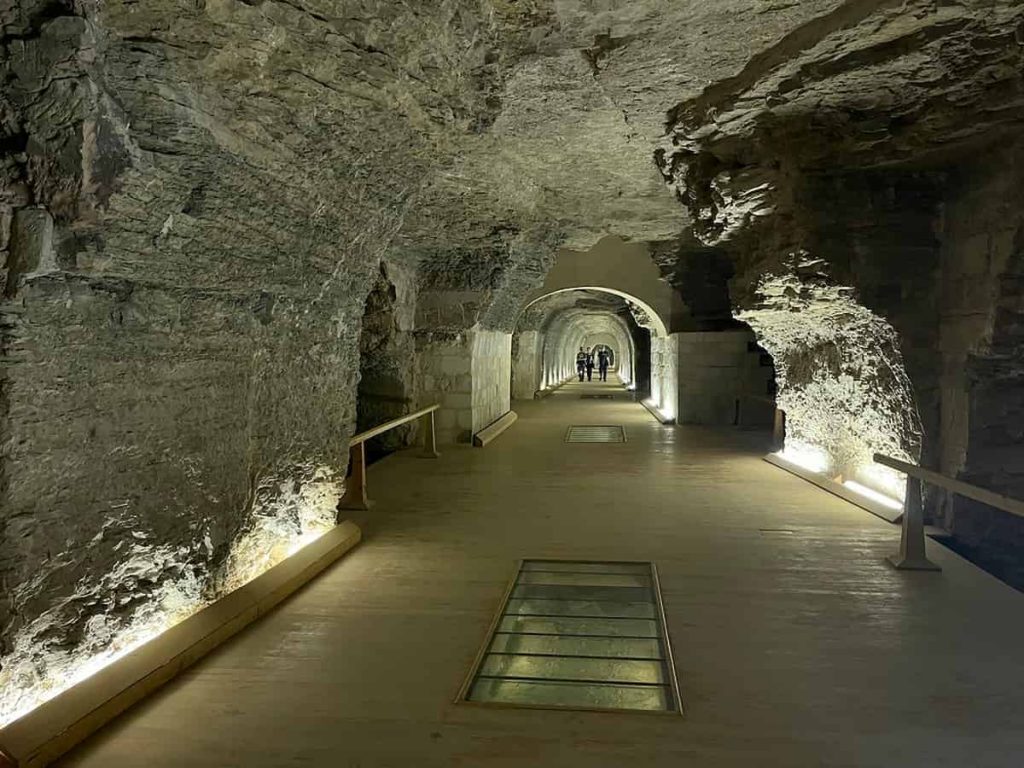
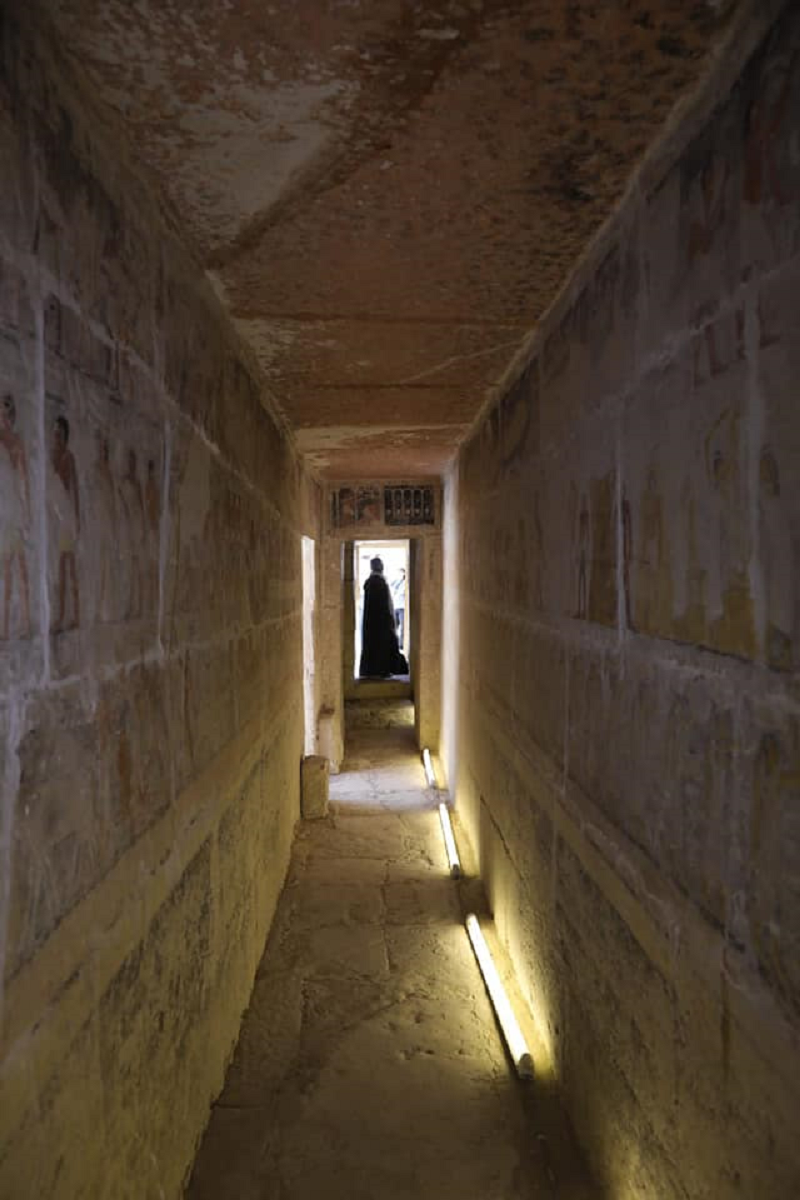
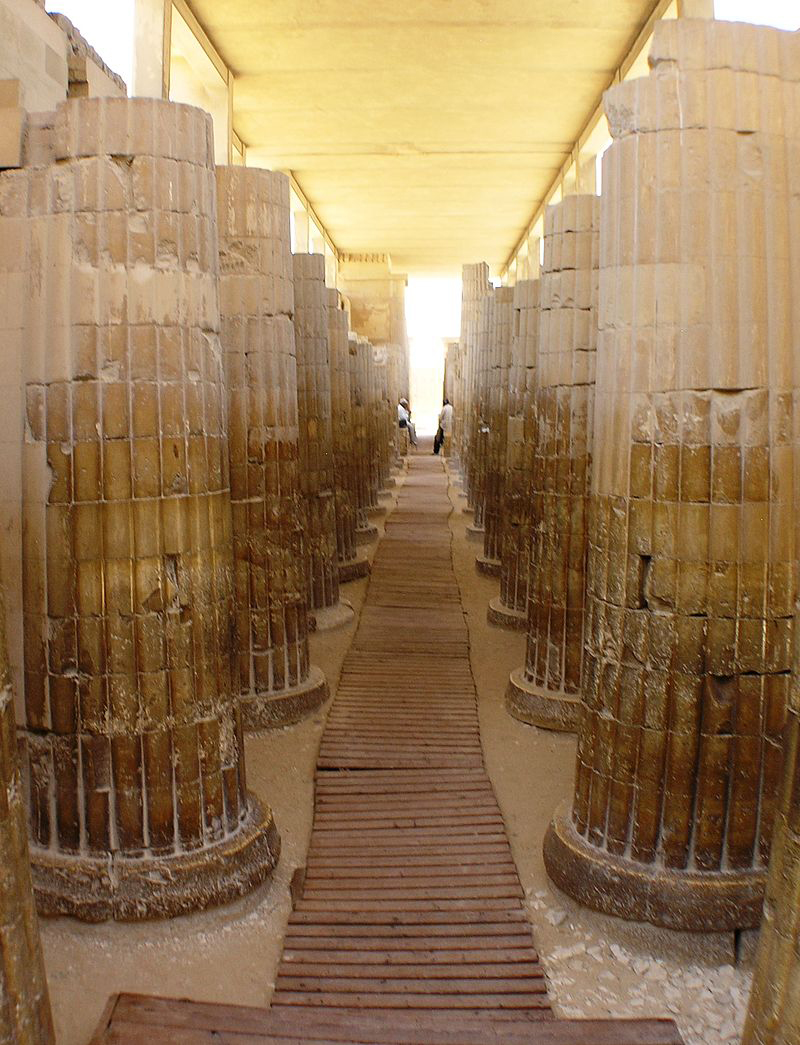
You descend into the tomb of Unas, tracing the Pyramid Texts column by column, then duck through low corridors where painted geese still swim across a wall. A saqqara private tour guide points out the Serapeum's vast bull galleries. You pause at the colonnade entrance, run a hand over fluted stone older than memory, then climb back into the light. By noon the ruins glow ochre, and you turn toward Memphis with the heat at your back.
The landmarks, rooms, and views travelers on Saqqara tours remember — all visible on a single visit.
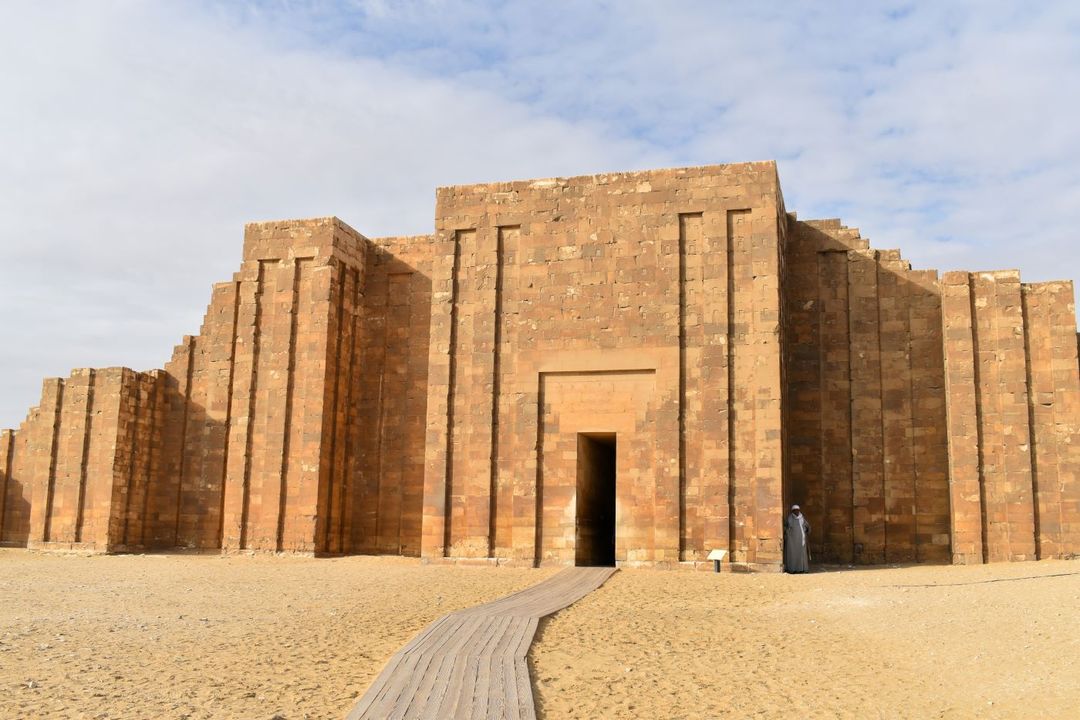
Designed by the architect Imhotep around 2650 BCE, this six-tiered limestone structure standing 62 metres tall is the oldest monumental stone building in the world.
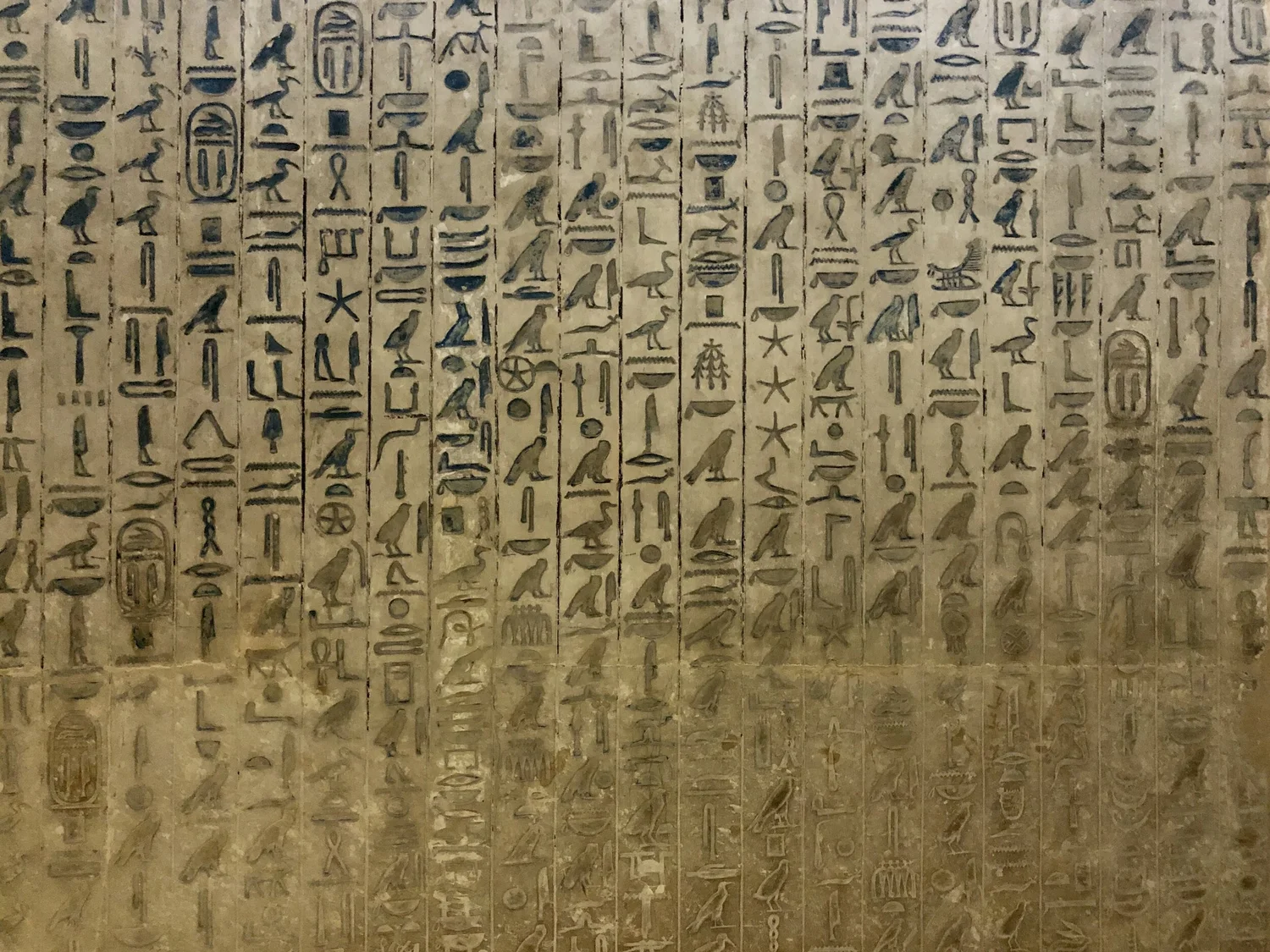
Built for the last pharaoh of the Fifth Dynasty, the interior burial chamber of this modest-looking pyramid contains the Pyramid Texts — the oldest known religious corpus in the world, written in turquoise-painted hieroglyphs over 4,300 years ago.
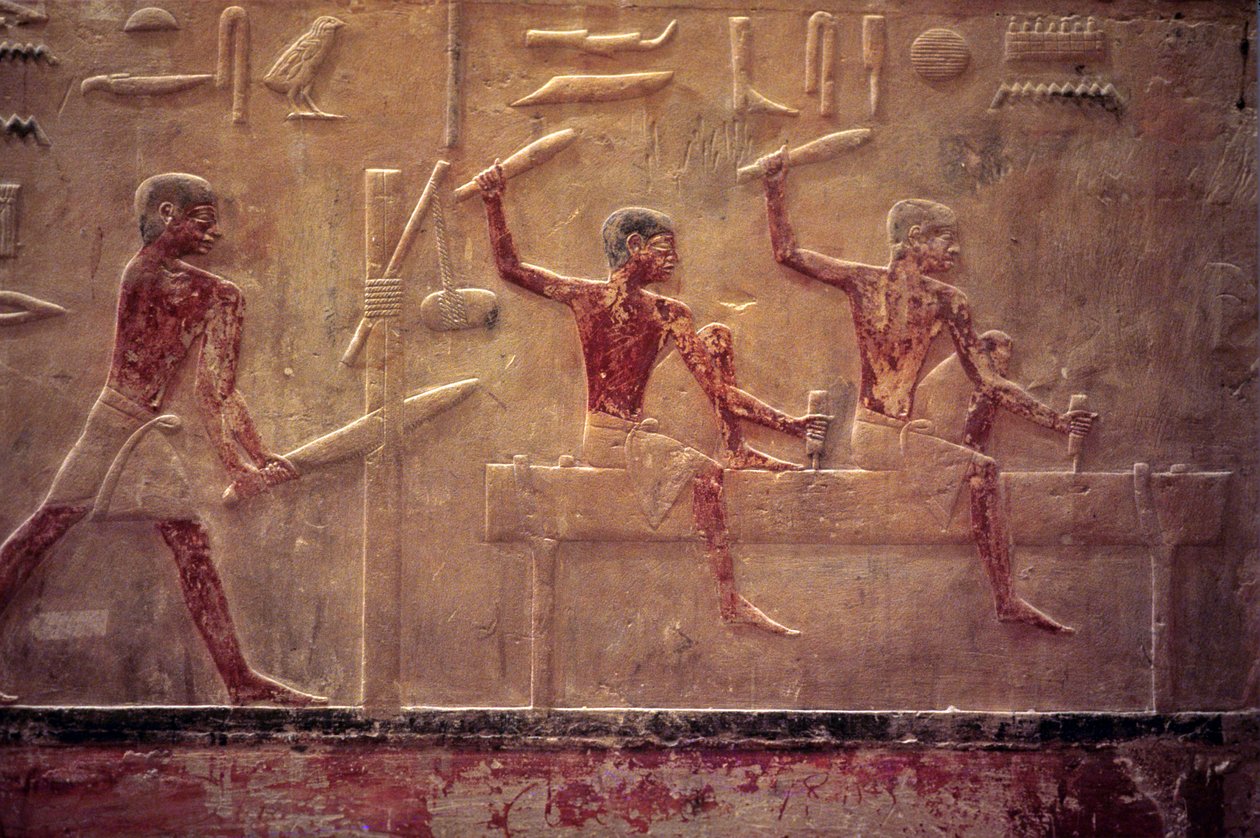
This Old Kingdom mastaba, dating to around 2400 BCE, preserves some of ancient Egypt's most detailed painted reliefs across more than 60 carved scenes depicting farming, papyrus harvesting, and cattle herding.
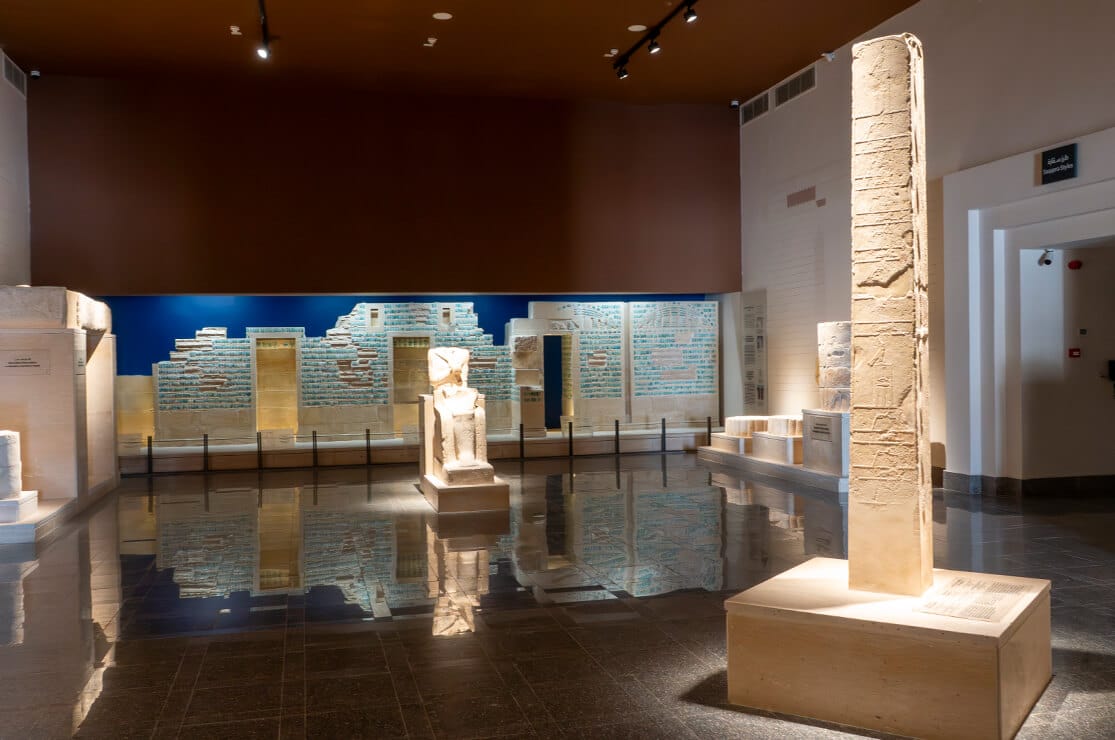
Opened in 2006 within the saqqara enclosure, the museum displays the reconstructed Blue Chamber — a room originally lined with turquoise faience tiles from Djoser's subterranean galleries — alongside statuary and excavation finds.
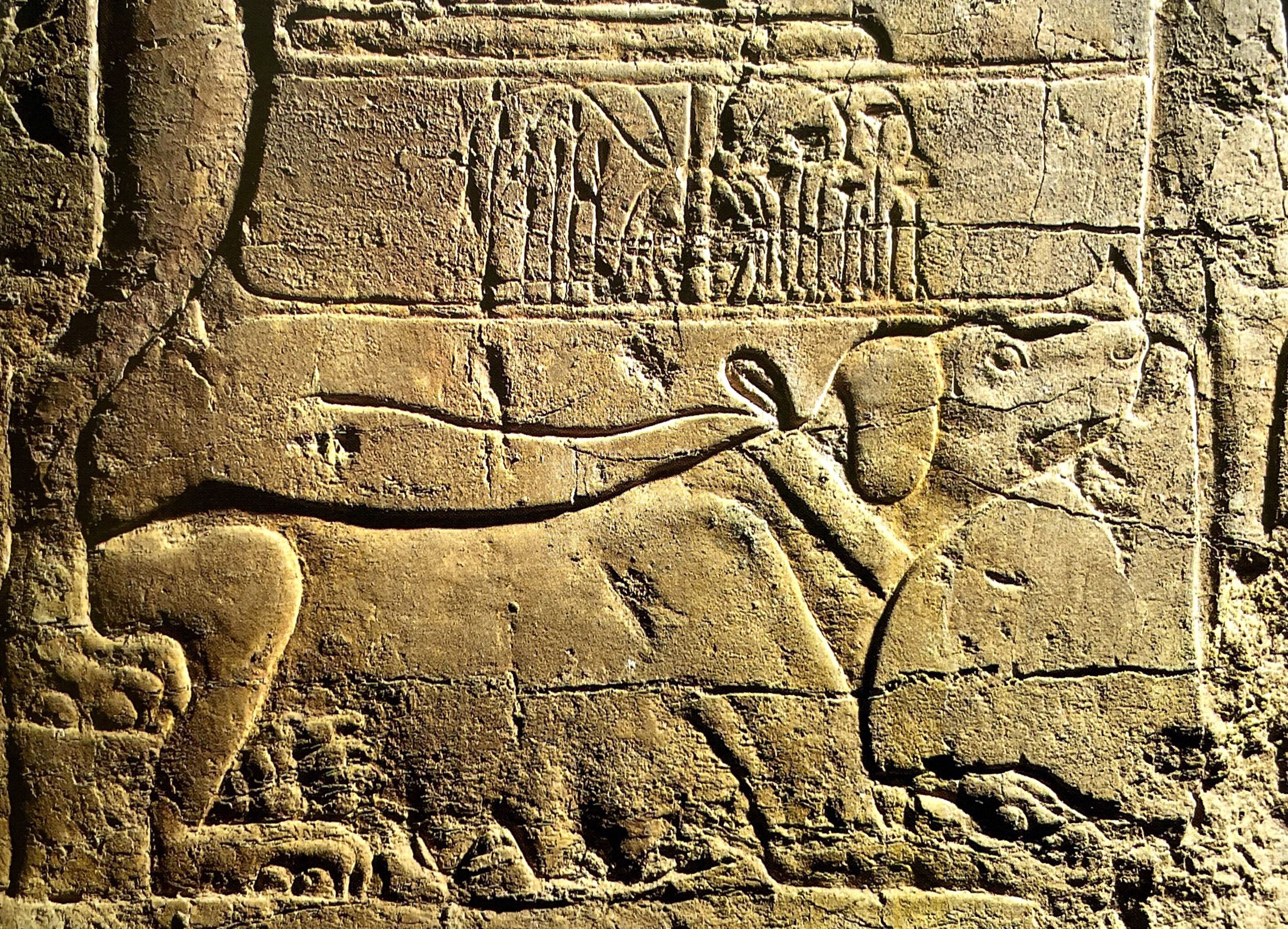
Rediscovered by Auguste Mariette in 1851, this underground catacomb houses 24 colossal granite sarcophagi each weighing up to 70 tonnes, used for the burials of the Apis bulls sacred to the god Ptah.
Every Saqqara tour side-by-side — duration, what's included, how you redeem.
| Experience | From | Duration | Transfers | Pickup | Lunch | Tax inc. | Free cancel. | Price | |
|---|---|---|---|---|---|---|---|---|---|
|
Skip-the-line Most popular
Saqqara & Giza Pyramids Tour with Camel Ride
|
— | — | — | — | — | — | ✓ | $30 | Book → |
|
Luxury / Private
Private Tour to explore Giza Pyramids - Saqqara -Memphis
|
— | — | — | — | — | — | ✓ | $42 | Book → |
|
Guided Experience
Saqqara , Memphis and Dahsur Day Tour
|
— | — | — | — | — | — | ✓ | $43 | Book → |
|
Premium Combo
Private Day Tour Saqqara Pyramids, Memphis and Dahshur Pyramids
|
— | — | — | — | — | — | ✓ | $60 | Book → |
|
Standard Entry
Private Full-Day Tour to Giza Pyramids,Sphinx,Memphis, and Saqqara
|
— | 8 hr 30 min | — | — | — | — | ✓ | $100 | Book → |
All prices from verified partners. Availability and exact terms confirmed at checkout.
Choose your ticket, select your date, and reserve in under two minutes. Secure checkout handled by our verified partner.
Instant confirmation by email, with a mobile voucher you can save offline. No printing, no queuing at a collection desk.
Arrive at the entrance, show your voucher on your phone, and walk in. Most tickets include priority or skip-the-line access.
Practical details for Saqqara tickets straight from our verified partners — hours, access, rules, and how to get there.
Saqqara Necropolis main entrance, Badrashin, Giza Governorate
Large car park; tour buses and taxis drop off here
Open in Google MapsDrive south from Cairo via the Mariouteya Canal road or Saqqara Road through Badrashin; follow brown heritage signs to the necropolis.
Negotiate a return fare from Giza or Cairo; many drivers will wait. Ride-share apps (Uber, Careem) serve the route.
Take metro Line 2 to Giza station, then a microbus or service taxi toward Badrashin; alight at the saqqara turn-off and take a local tuk-tuk or taxi the final 3 km.
Day tours from Cairo and Giza hotels combine the necropolis with Memphis and the Dahshur pyramids; transport and licensed guide included.
Saqqara is an open-air archaeological site with no strict religious dress code, but lightweight, modest clothing covering shoulders and knees is strongly recommended to protect against intense sun and to show respect at tomb sites. Closed-toe shoes or sturdy sandals are essential given the sandy, uneven ground throughout the necropolis.
All bags pass through a security checkpoint at the main entrance gate before access to the Step Pyramid complex is granted. Small daypacks are permitted; large suitcases and oversized luggage are not allowed inside the site. Security staff may open bags for inspection, so keep restricted items outside the gates.
Personal photography with smartphones and compact cameras is permitted throughout most of saqqara's open-air areas without an additional fee. A separate photography permit is required to use professional tripods or video equipment inside specific tomb chambers such as the Tomb of Ti and the Tomb of Kagemni; fees apply and must be arranged at the ticket office. Flash photography inside painted burial chambers is prohibited to protect fragile ancient pigments.
The saqqara necropolis covers a large desert plateau with sandy paths, rubble, and uneven stone surfaces that present significant challenges for wheelchair users and visitors with limited mobility. Some paved walkways exist near the Step Pyramid enclosure, but most tomb entrances involve steps or low, narrow doorways. Visitors with mobility needs are advised to inquire at the entrance gate about the most navigable current routes.
Mobile phones may be used freely throughout the open-air areas of saqqara for navigation, photography, and communication. Signal quality varies across the desert plateau; download offline maps before arrival. Phone use inside tomb chambers is permitted for photography but flash must be disabled.
Saqqara is well suited to families with older children interested in ancient Egyptian history, offering visible pyramid structures, decorated tombs, and the Imhotep Museum within the site complex. Young children should be supervised closely near open shaft excavations and uneven terrain. Bringing snacks, extra water, and sun hats is essential as shade is very limited across the open plateau.
There are small refreshment kiosks near the main entrance selling bottled water, soft drinks, and light snacks, but full restaurant facilities inside the necropolis are limited. Visitors on extended saqqara tours are advised to bring their own water (at least 1.5 litres per person) and packaged food, as eating inside tomb chambers is not permitted. Several restaurants and cafes are available in nearby Memphis village and along the road to Giza for meals before or after the visit.
Pets are not permitted inside the saqqara archaeological site. Service animals are subject to inspection at the security gate; contact the Egyptian Ministry of Tourism and Antiquities in advance for guidance.
Guided saqqara tours arranged through licensed Egyptological guides dramatically enrich the experience, providing hieroglyphic translations and historical context unavailable from site signage alone. The Imhotep Museum, located within the enclosure, displays artefacts recovered from the necropolis including the reconstructed Blue Chamber faience tiles, and is included with the main entry ticket. Allow a minimum of three to four hours to cover the principal monuments without rushing.
Saqqara Necropolis main entrance, Badrashin, Giza Governorate
Large car park; tour buses and taxis drop off here
Get directionsInside the enclosure, 200 m from the main gate
Shaded forecourt; useful secondary meeting point for larger groups
Get directionsBest time to go, insider tips, nearby landmarks, and the cancellation fine print — flip through to skim what matters to you.
How crowds, weather, and events shift across the year.
Mild temperatures (20–28°C) and lower humidity make this the most comfortable period for exploring the open plateau.
Cool and occasionally overcast; the necropolis sees its lowest crowd levels outside Egyptian school holidays.
Spring shoulder season with pleasant warmth; significant increase in international tour groups from mid-March.
Rising heat begins; visit strictly within the 08:00–10:00 arrival window to avoid the worst of the midday sun.
Peak summer heat regularly exceeds 35°C; the necropolis is quieter but physically demanding — early arrival is essential.
Small details that turn a good visit into a great one.
Reaching the gate by 08:00 puts you inside before the large tour buses arrive, giving you near-solitary access to the Step Pyramid enclosure for the first 90 minutes.
The ticket booths at saqqara accept Egyptian pounds; card payment is not reliably available, and ATMs are not on site — withdraw cash in Cairo or Giza before travelling.
Dahshur's Bent and Red Pyramids are only 20 minutes south and see a fraction of saqqara's visitor numbers; combining both sites in one trip is straightforward with a private car or negotiated taxi.
Access to the Unas burial chamber is limited to small groups at a time and queues build after 10:00; heading there before the main crowd arrives maximises your time inside.
Mobile data signal across the desert plateau is intermittent; an offline map loaded before departure prevents navigation issues between the widely spaced tomb clusters.
On-site licensed Egyptological guides are available for hire at the main entrance; their knowledge of specific tomb iconography and ongoing excavation work adds considerable depth beyond what site signage provides.
Non-bookable sights within a short walk — free to visit, easy to pair.
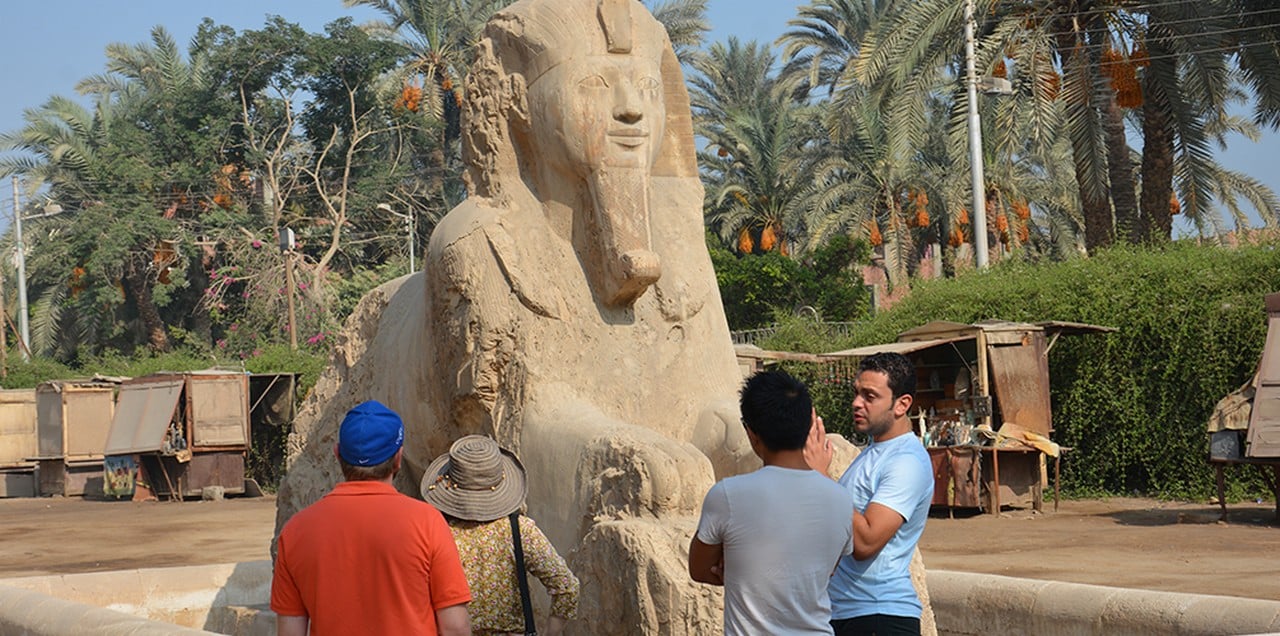
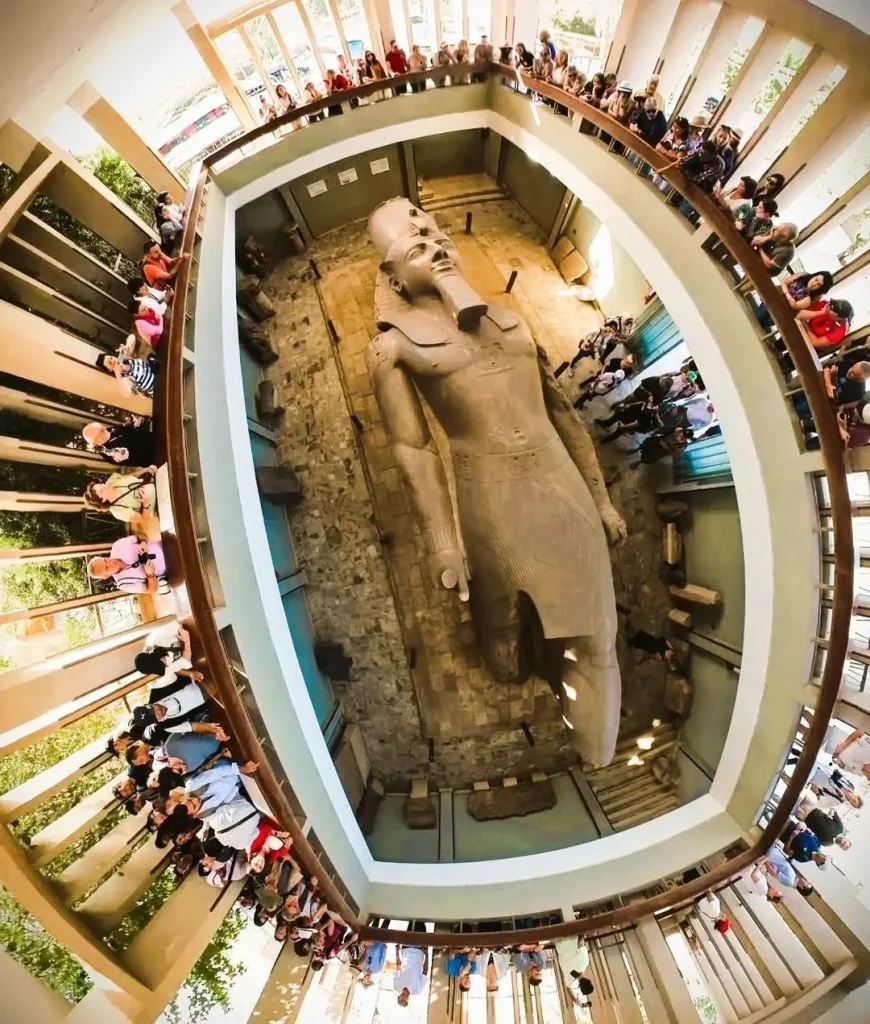
Houses the colossal limestone statue of Ramesses II and the alabaster sphinx of Memphis, remnants of ancient Egypt's first capital.
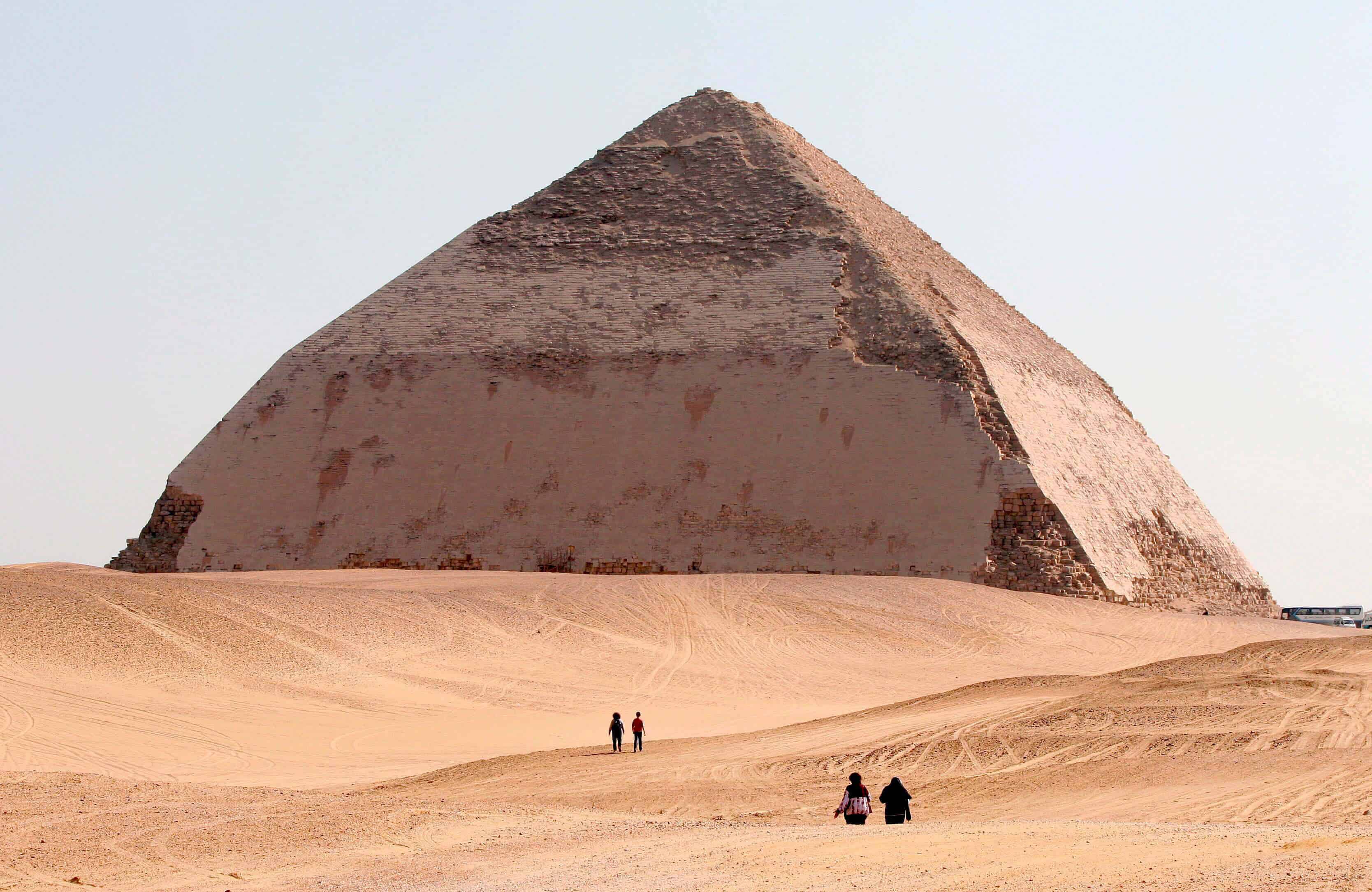
The Bent Pyramid and Red Pyramid of Sneferu, considered direct architectural ancestors of the Giza pyramids, rise from a quiet desert site with very few visitors.
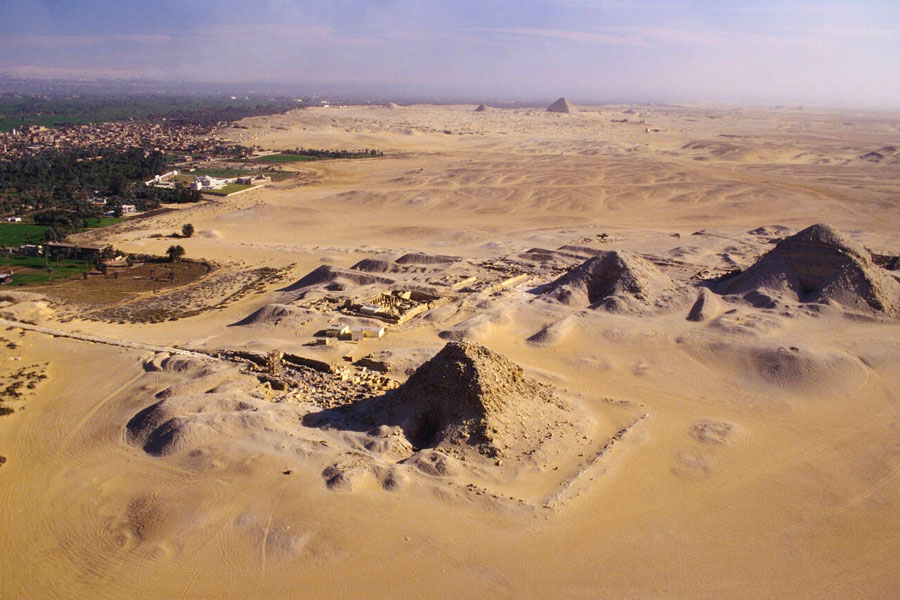
A cluster of largely unexcavated Fifth Dynasty pyramids standing in relative isolation; far fewer tourists than Giza or saqqara's main zone.
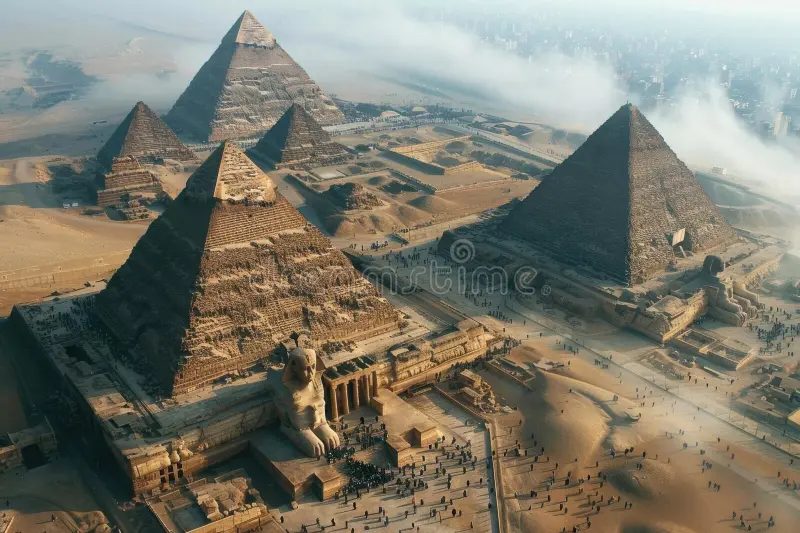
The Pyramids of Khufu, Khafre, and Menkaure alongside the Great Sphinx form the most iconic ancient Egyptian monument cluster in the world.
Flexible, no hidden fees.
Third-party guided saqqara tour bookings typically allow free cancellation up to 24 hours before the scheduled departure for a full refund. The 600 EGP site entrance fee paid directly at the gate is non-refundable once the ticket is issued.
Hand-picked options within walking distance — pick a district for vibe, or a specific hotel for convenience.
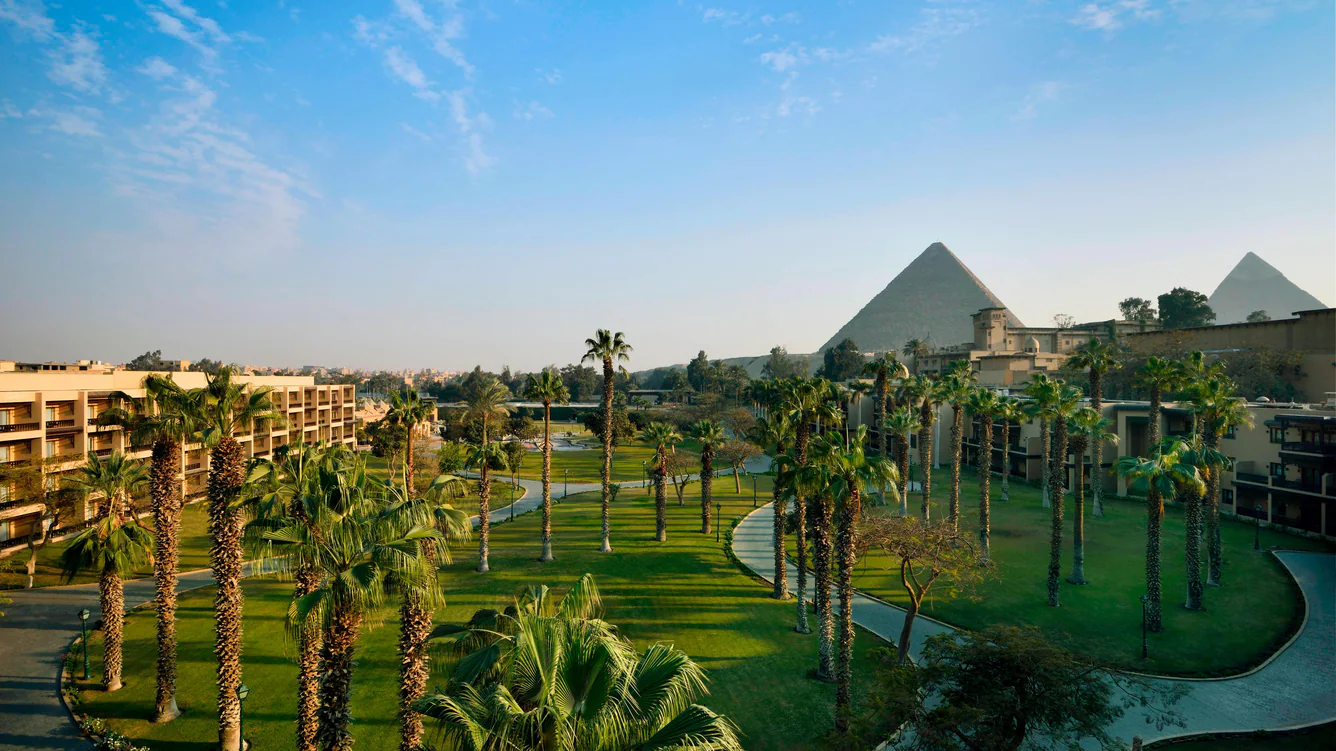
Historic hotel at the foot of the Giza pyramids with garden views and pyramid-facing rooms.
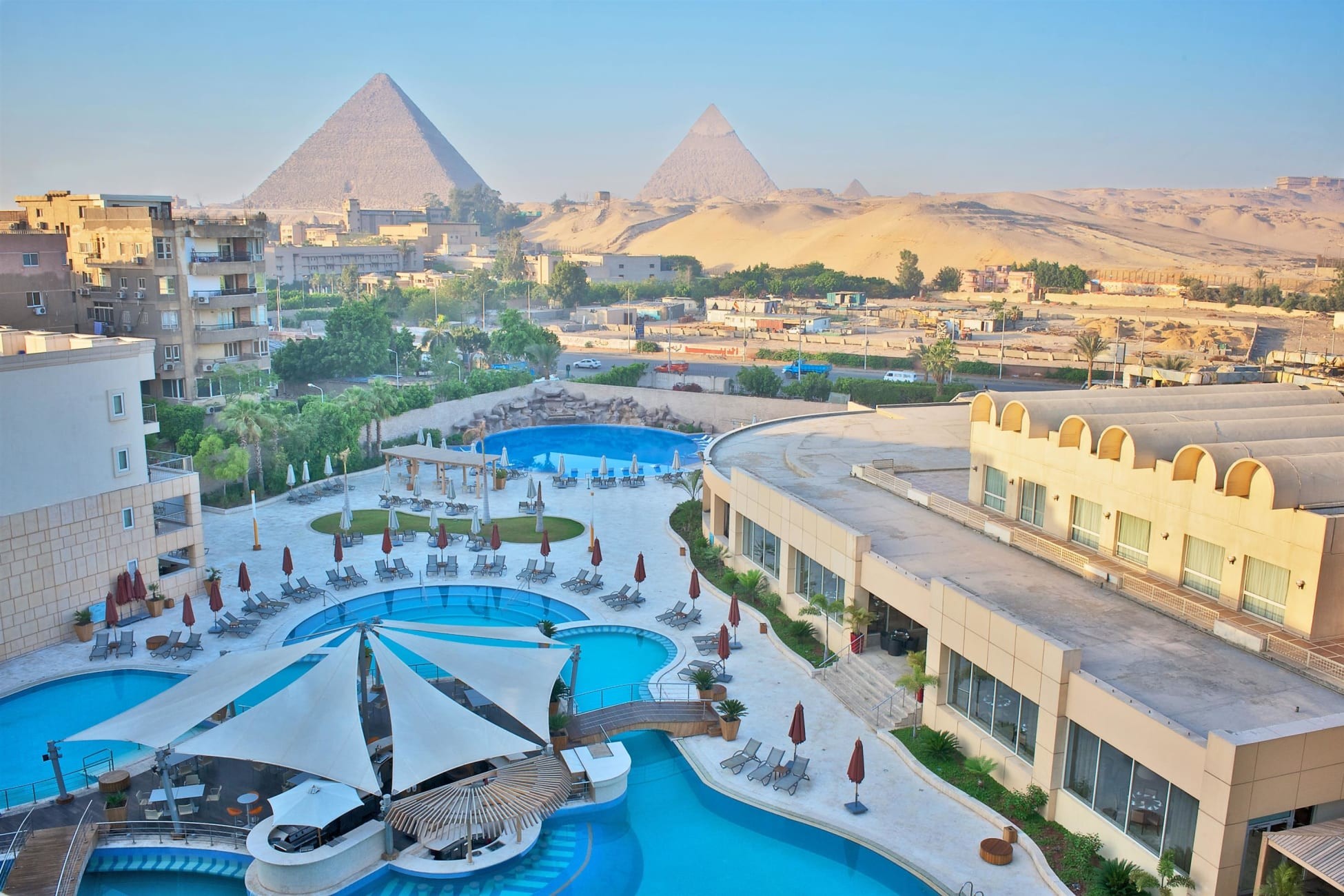
Modern high-rise with direct pyramid views; full-service facilities and organised excursions.
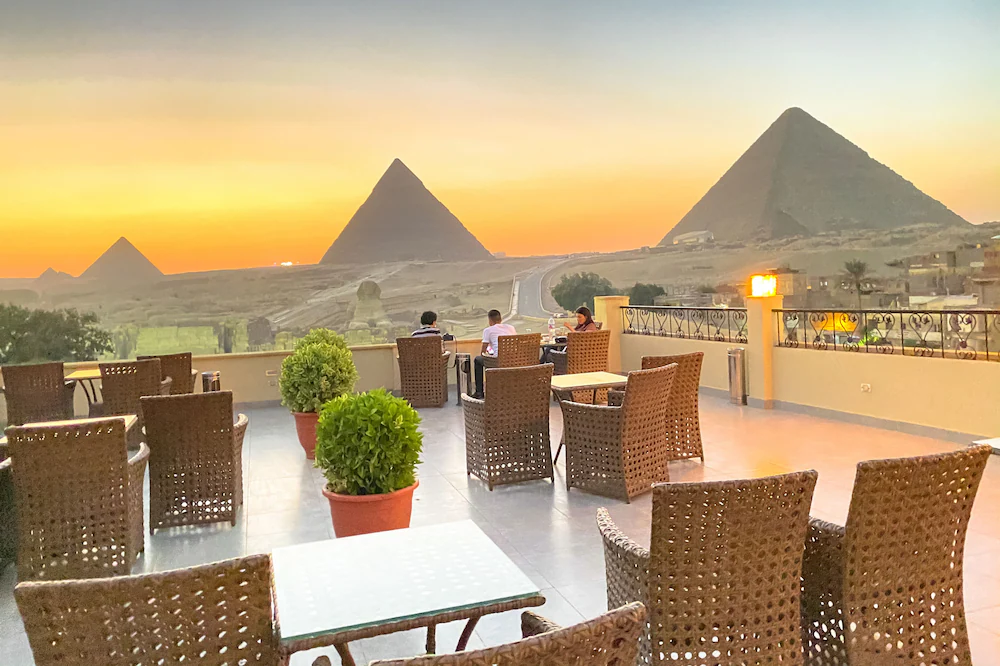
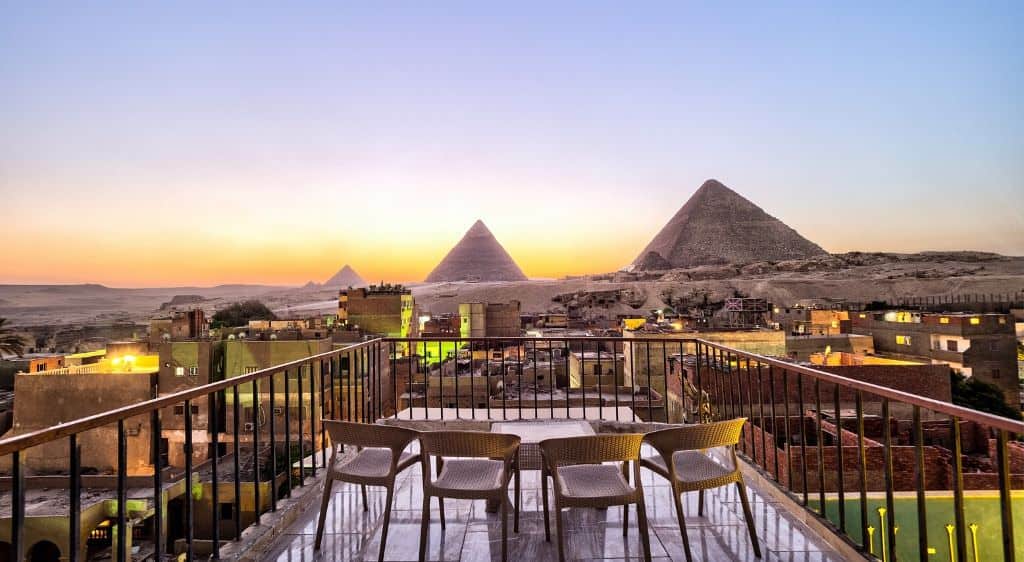
Boutique guesthouse in Nazlet el-Samman offering rooftop pyramid views at mid-range prices.
A wide range of mid-range and budget hotels clusters along Pyramids Road (Sharia al-Ahram) providing easy access to both Giza and saqqara day trips.
Saqqara is open every day of the week from 08:00 to 17:00. There are no late-night or extended summer hours; the last entry is typically accepted before 16:30 to allow visitors time to exit.
The standard foreign adult ticket covering the main area of saqqara — including the Step Pyramid complex, key pyramids, and principal tombs — costs 600 EGP. Separate photography permits for professional equipment inside tomb chambers carry an additional fee payable at the ticket office.
The optimal arrival window at saqqara is between 08:00 and 10:00, when temperatures are cooler and tour groups have not yet arrived in volume. October through February offers the most comfortable overall weather for exploring the open plateau.
Personal photography with smartphones and compact cameras is permitted in the open-air areas of saqqara at no charge. A paid permit is required for tripods and professional video equipment, and flash photography is banned inside all decorated tomb chambers to protect ancient pigments.
Lightweight, breathable clothing covering shoulders and knees is recommended throughout the saqqara necropolis, both for sun protection and out of respect for an active heritage site. Closed-toe shoes or robust sandals are essential given the sandy, uneven terrain across the entire site.
The most convenient option is to hire a taxi or use a ride-share app from Cairo or Giza, a journey of around 45 to 70 minutes depending on traffic. Alternatively, take metro Line 2 to Giza station and connect via microbus toward Badrashin, then a local tuk-tuk for the final stretch to the saqqara entrance.
The necropolis terrain consists largely of desert sand, loose rubble, and uneven stone paths, which present considerable challenges for wheelchair users. Limited paved stretches exist near the Step Pyramid enclosure; visitors with mobility needs should ask staff at the entrance gate for current route guidance.
Yes — combining a saqqara tour with Giza is one of the most popular day-trip itineraries from Cairo. The two sites are approximately 30 minutes apart by car, and many visitors also add the Dahshur pyramids and the Memphis open-air museum to complete a full survey of the Memphite necropolis.
Small kiosks near the saqqara main entrance sell bottled water, soft drinks, and snacks. Full restaurant facilities inside the site are minimal, so bring at least 1.5 litres of water per person; eating inside tomb chambers is not permitted.
Drones, UAVs, alcoholic beverages, glass bottles, spray paint, sharp tools, fireworks, and pets are all prohibited. Tripods and professional video cameras require a prior permit; large oversized bags may be refused at the security checkpoint.
Saqqara is suitable for families with older children who have an interest in ancient history. The decorated mastaba tombs, stepped pyramid, and Imhotep Museum engage older kids well, though parents should supervise young children near open excavation shafts and uneven ground throughout the necropolis.
Third-party guided saqqara tour bookings generally allow free cancellation up to 24 hours before departure for a full refund. The 600 EGP entrance fee paid directly at the gate is non-refundable once issued; confirm the specific policy with your tour operator at the time of booking.